Podiatry Pain & Movement Services
Healthy movement and comfort come from the right care. Our full-service Foot Studio podiatry clinic combines modern techniques with personalised treatment plans to get you back to doing the things you want to be doing.

Assessments
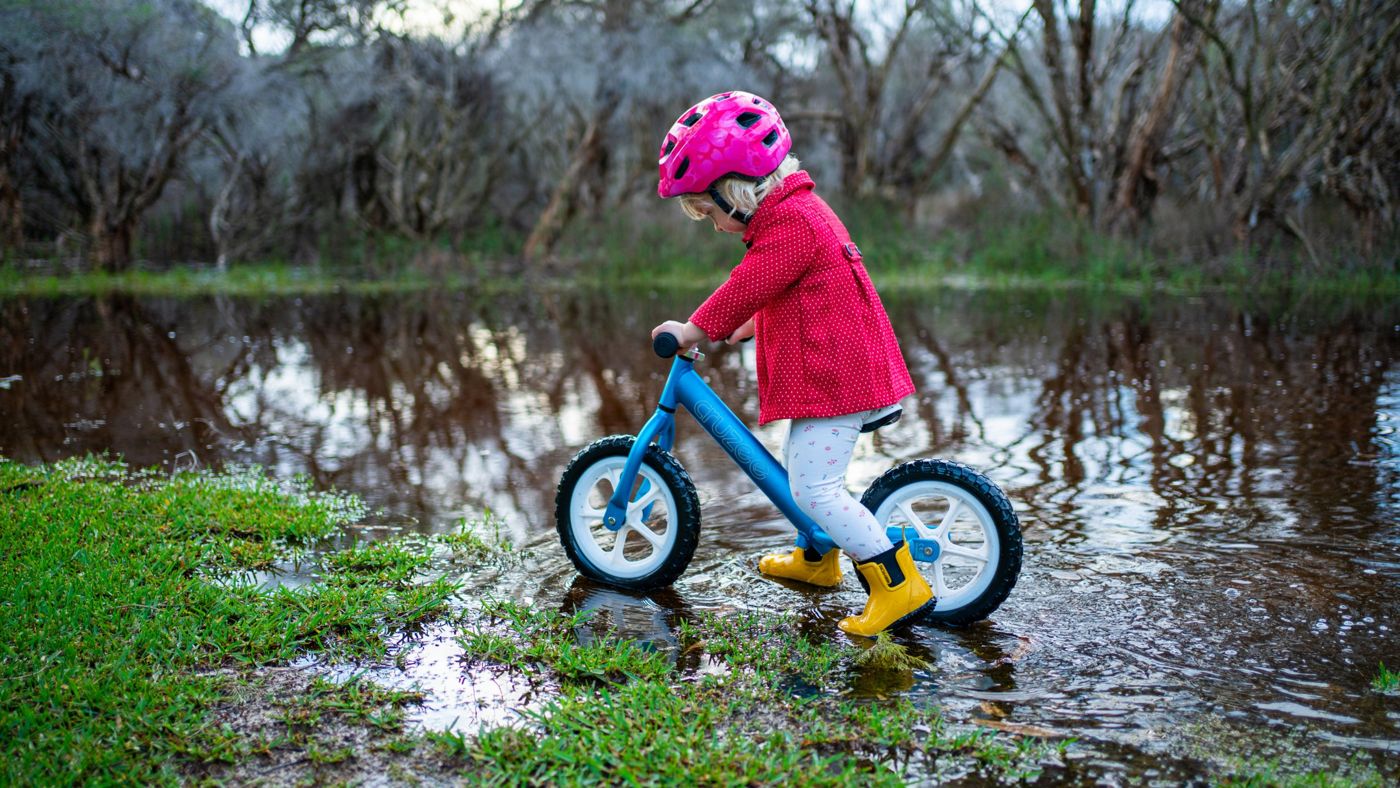
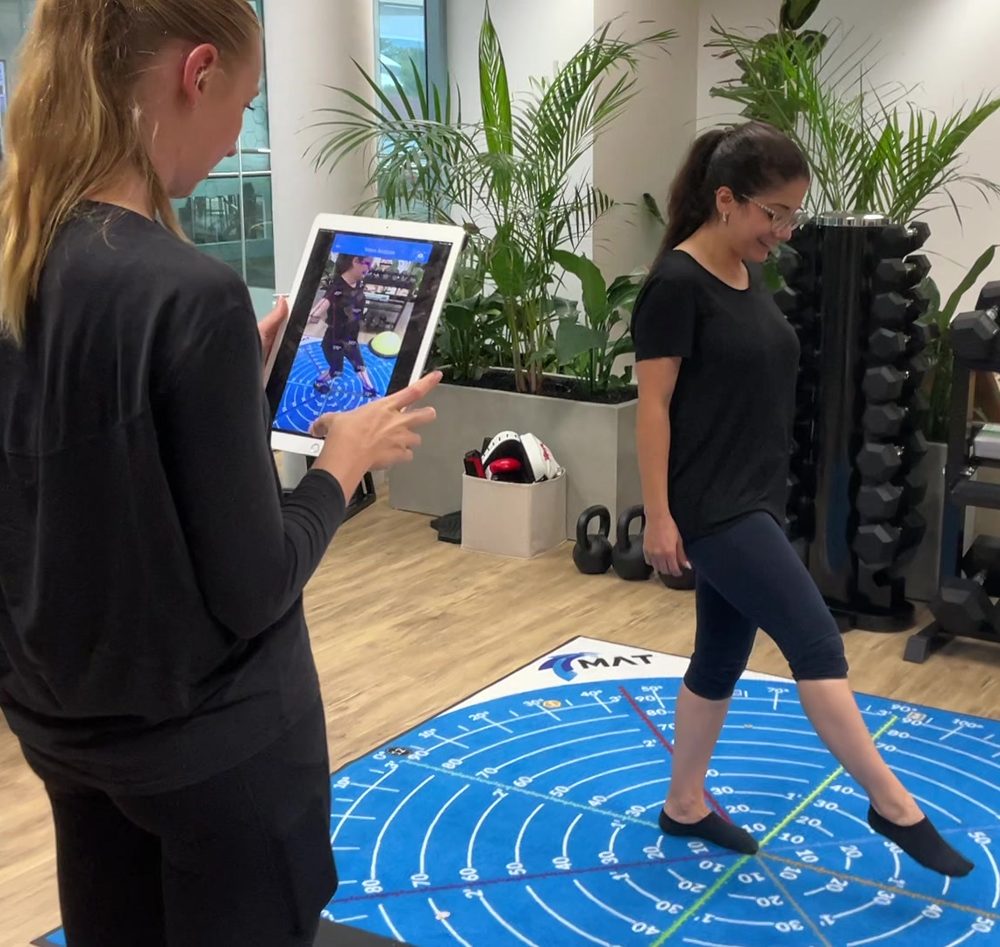
Pain and movement assessment (adults)
Book →Running assessment
Book →Orthotics assessment
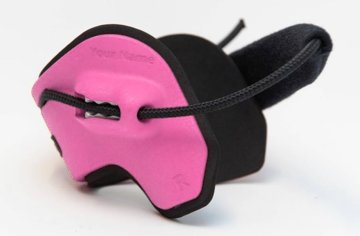
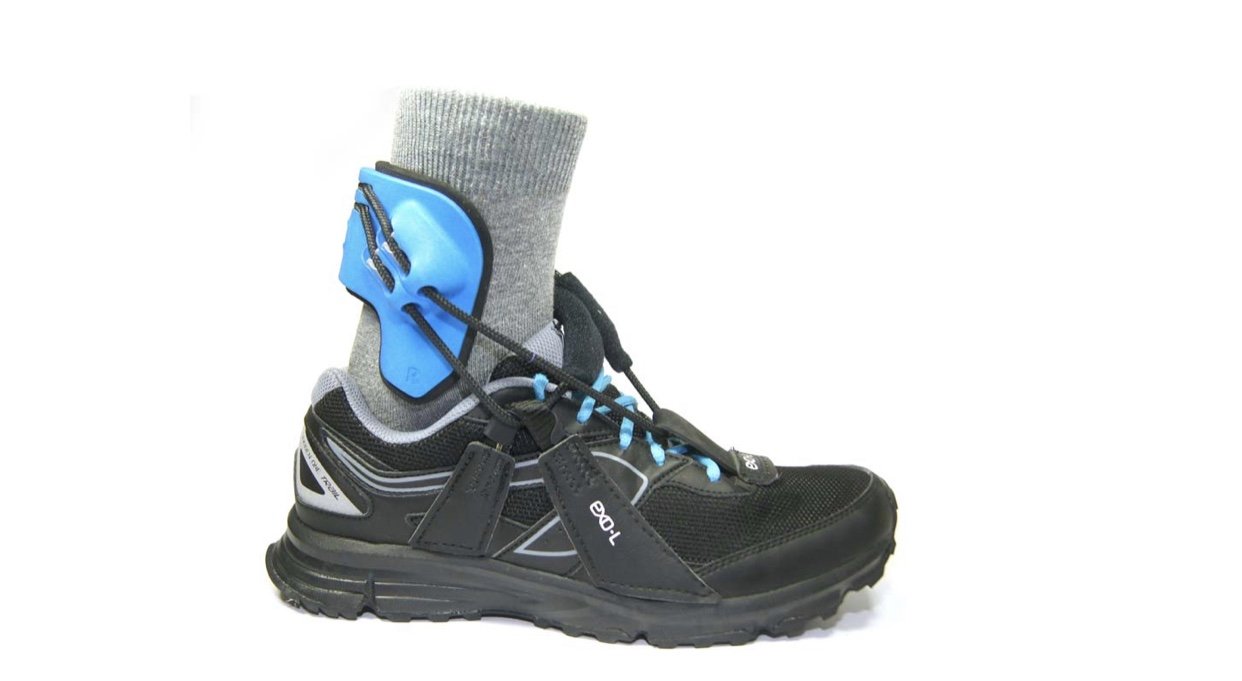
Book →EXO-L ankle brace assessment
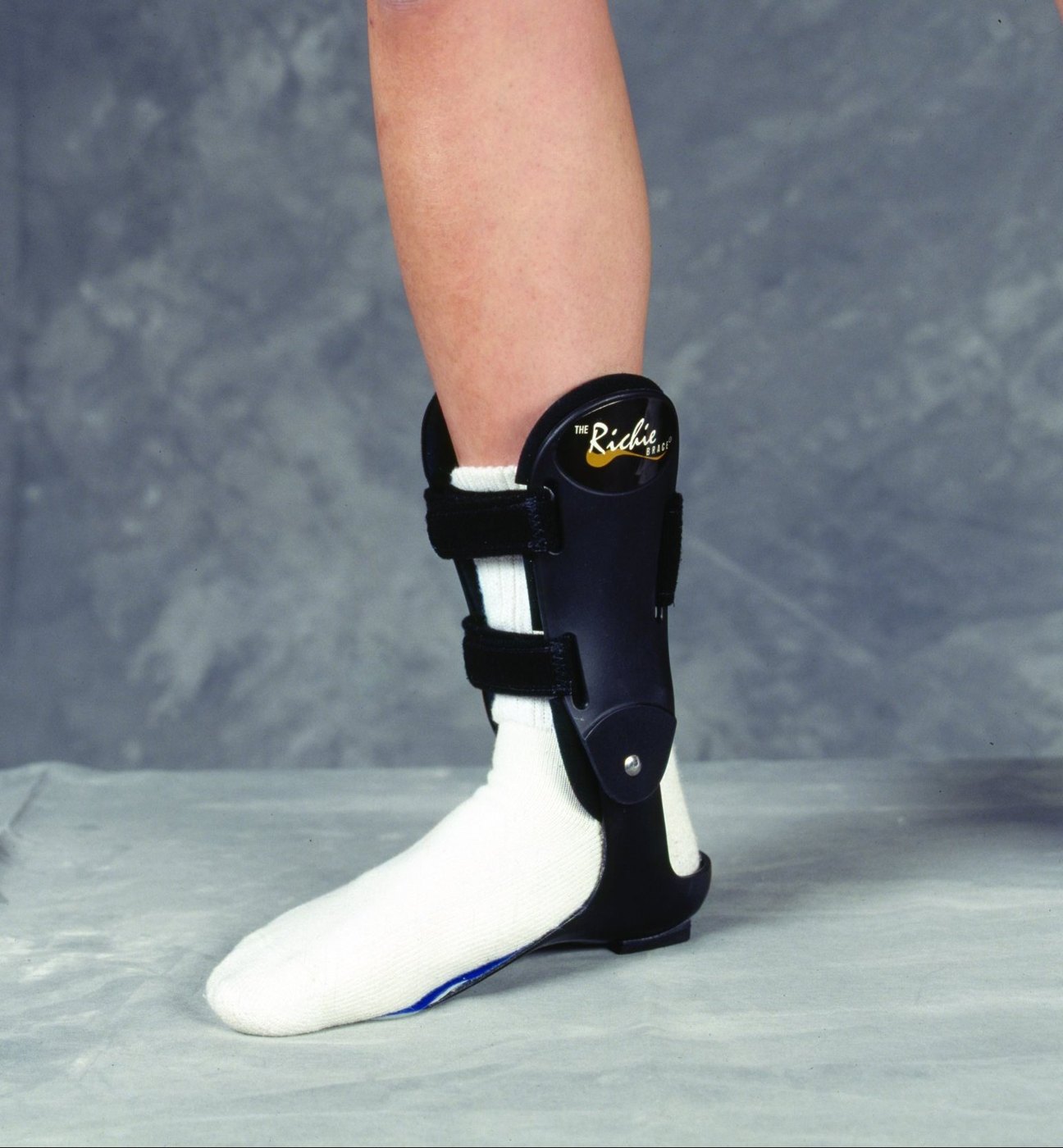
Book →Richie Brace assessment
Book →Heel pain assessment
Book →Persistent pain assessment
Book →Shockwave therapy assessment
Book →Healthy ageing assessment
Book →Diabetes assessment
Book →Kids pain and movement assessment
Book →NDIS and disability Podiatry assessment
Book →
Treatment Options
A combination of treatments is often the best approach and these can be discussed with your practitioner as to which would work well with your body based on your prior experiences, how your body responds to treatment, what your goals are. Once we do a thorough assessment and diagnose what’s going on we can discuss best practice recommendations and guidelines and then match them to you as a person. This is where the magic comes in as you know your body best and what will work best for you so we work together to tailor a plan for you.
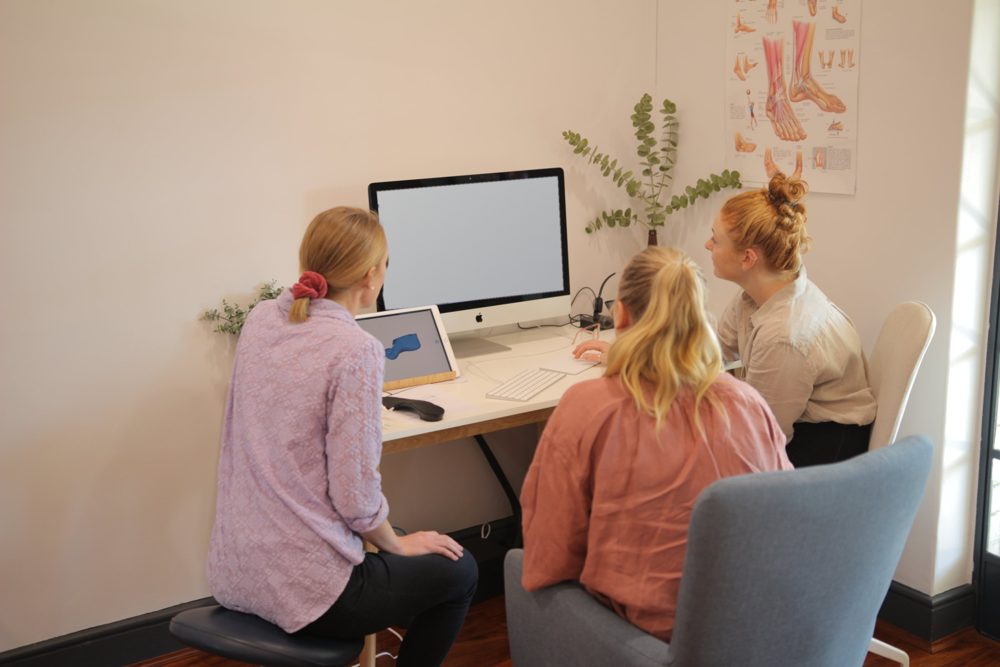
Photobiomodulation therapy (PBMT) or High Powered Laser (HPL)
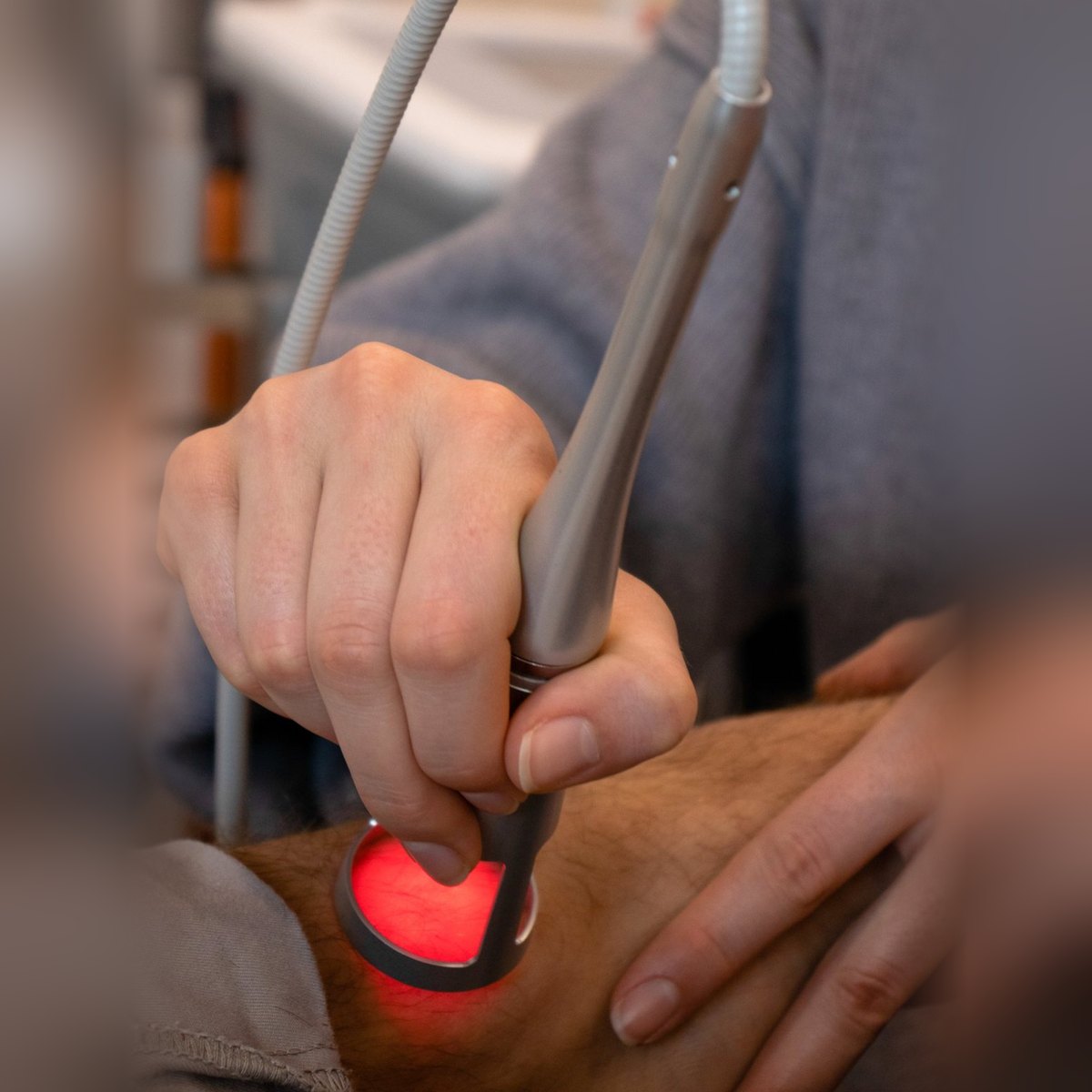
Using light therapy to reduce inflammation, aids in tissue repair, increases blood flow, has an analgesic/pain relieving effect, relaxes tissues and calms heightened nerve sensation. Read more about laser →
Mobilisations and Gentle Joint Manipulations
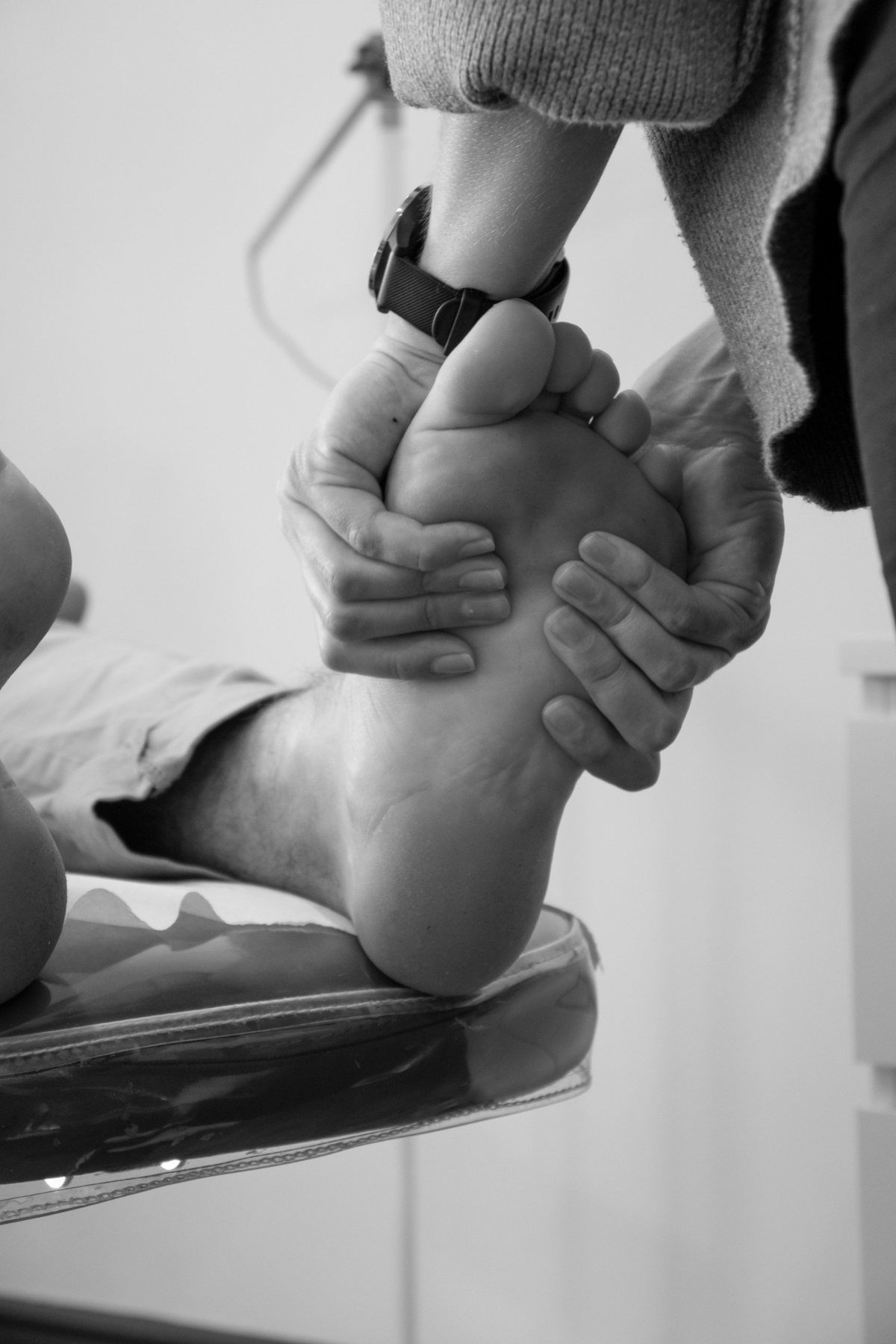
Increases range of motion within joints, reduces stiffness.
Radial Pressure Waves (RPW), also known as Shockwave Therapy
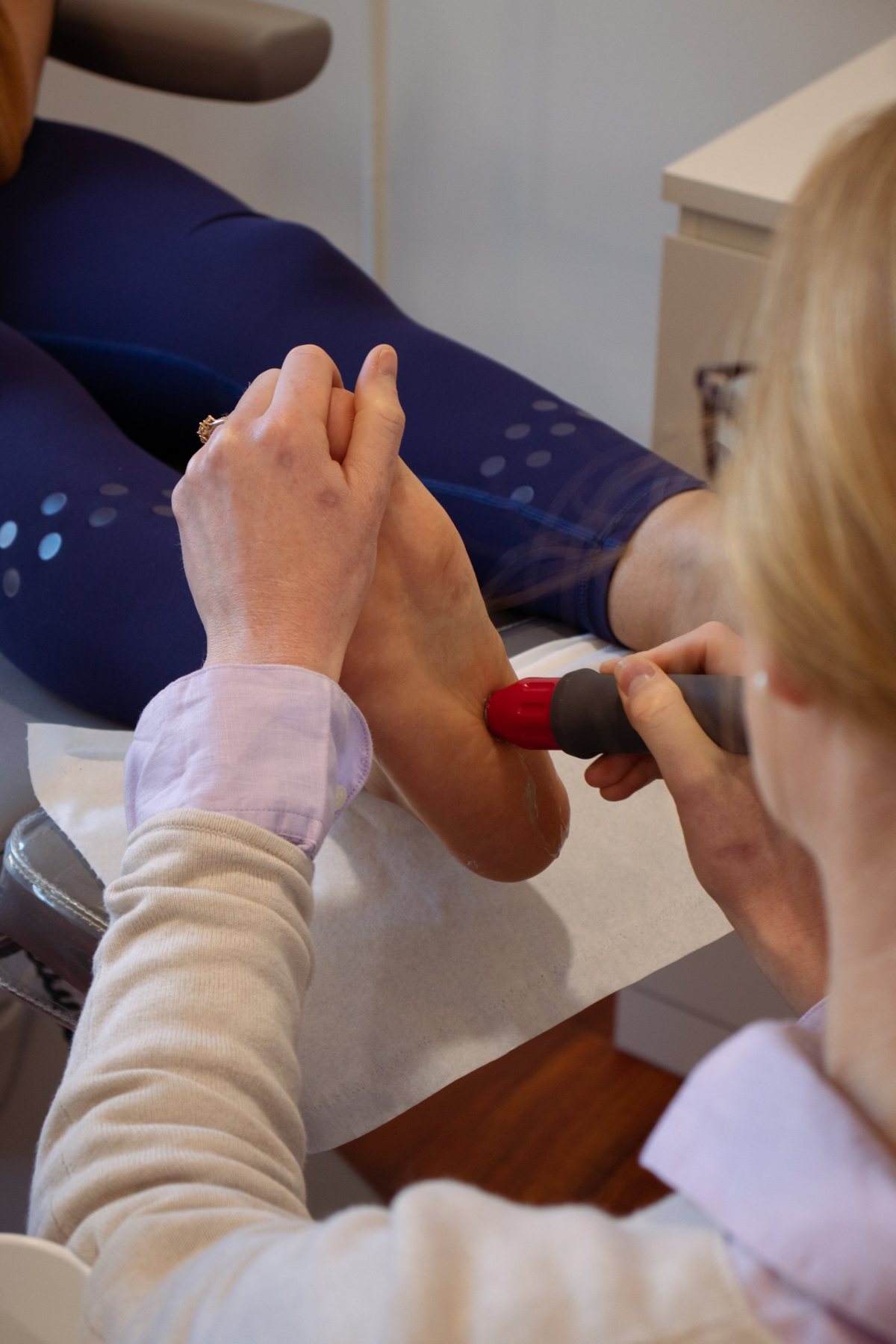
Uses radial waves to increase blood flow, has an analgesic effect and breaks up ‘trigger points’ and ‘tight’ areas in the muscles. Read more about shockwave →
Dry Needling
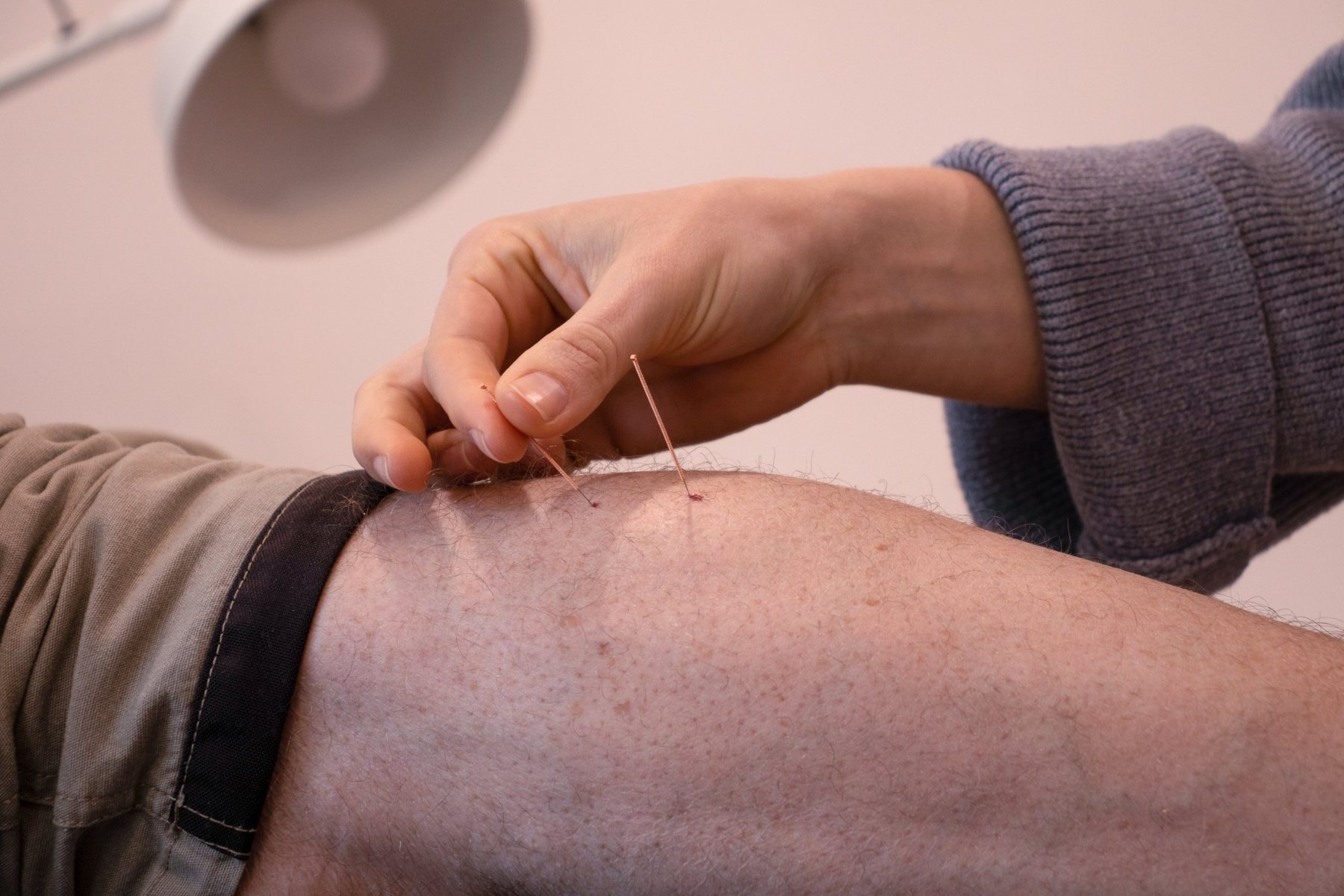
Trigger point therapy. Breaks up ‘trigger points’ and ‘tight’ areas in the muscles, increases blood flow to the area.
Exercise Program
Correct muscle imbalances and weakness, restore range of motion, improve proprioception (see prescribed exercises via Physitrack).
Injection therapies
Local anaesthetics used for diagnostic nerve blocks, anaesthesia for minor toe or foot surgeries, chronic heel pain, & Morton neuromas. “Unsticks” entrapped nerve, resets neural pathway. Read more about injections →
Taping

Rigid or Rocktape. Can be used to support the foot to offload particular areas to reduce pain. Rock tape is great for reducing heightened nerve sensation and ‘sensitive areas’, great for helping with proprioception.
Education and advice
Understanding what is going on is a big part of your care. Sometimes the best option is no treatment at all: a clear explanation, practical advice and a plan you can manage yourself. Explore our Education page →
New to us? Treatment starts with an assessment so we can work out the right plan.
A proper assessment gives us the right diagnosis and a clear picture of your goals, so your plan heads in the right direction from the start. Book an assessment to discuss which treatment options may be appropriate for you.