Booking and what to bring
Book online or call (08) 9280 0223. Not sure which appointment to choose? Call us and we’ll help.
You don’t need a referral. If you have a Medicare, DVA or NDIS referral or plan, bring the details. Please bring a list of your medications too.
“There’s more than one way to look after your feet.”
Everyone experiences the world differently, and you know yourself best. Whether it’s sensory needs, nerves or just how you like to do things, let us know what helps when you book, and we’ll shape your visit around you. You might like to ask for a quieter time of day, a longer appointment, a support person, to wait somewhere other than reception, or to know who you’ll see beforehand.
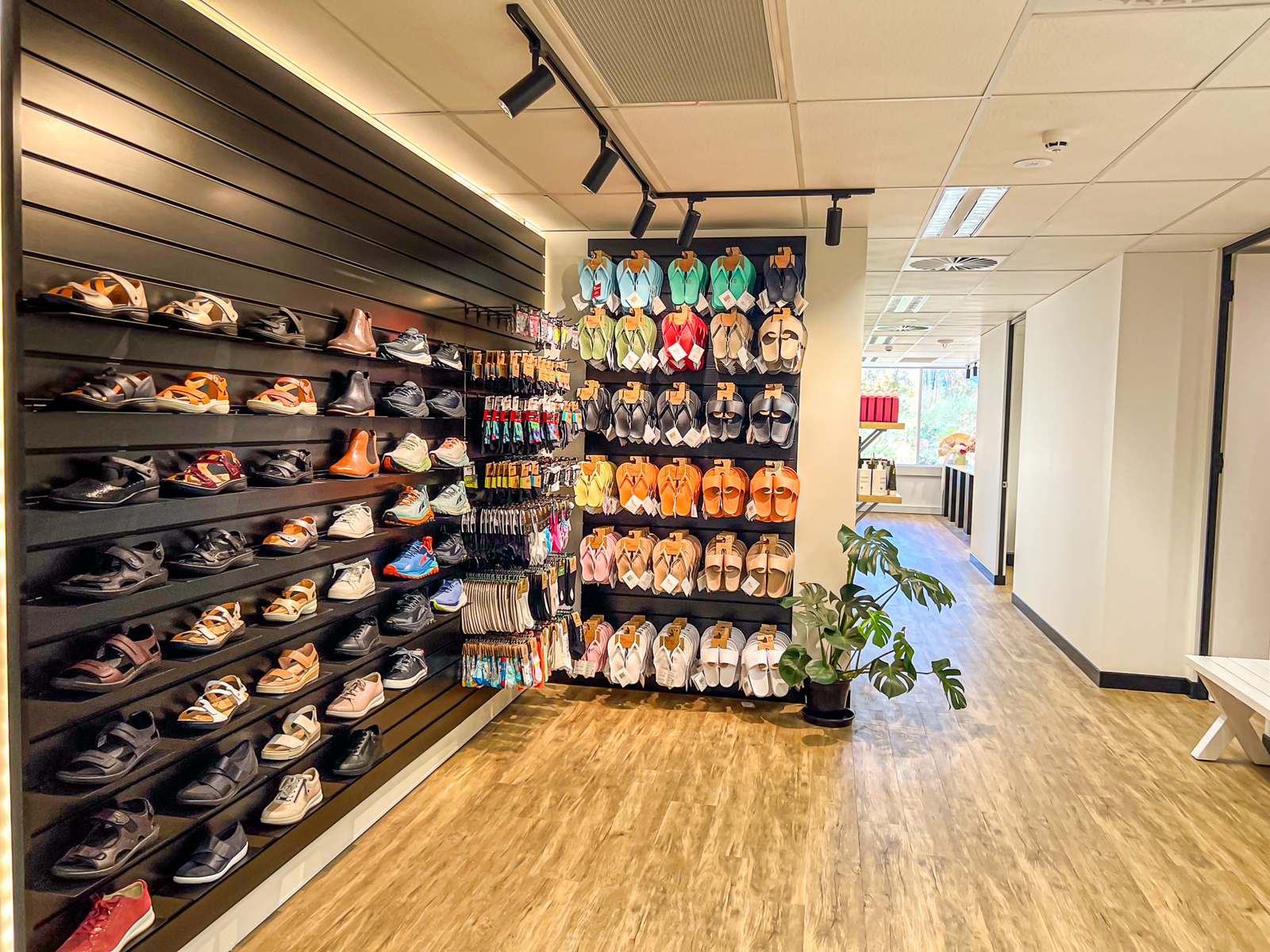
Level 1, 216 Stirling Highway, Claremont
- Park in the car park underneath the building, or at the back, where you’ll see clear The Foot Studio signs.
- A lift will take you to Level 1.
- Claremont train station is about 1 km away, around a 12 to 15 minute walk. Buses along Stirling Highway stop nearby.
Please arrive about 10 minutes early so you can find us, settle in and enjoy a complimentary tea or coffee.
Our front of staff team will welcome you and make your tea or coffee. The studio is light-filled with plenty of plants, and our footwear and movement shop and nail hub are also on site.
Choose the appointment you’ve booked
Whatever is comfortable
You’ll just need to take off your shoes and socks.
Your everyday shoes
The shoes you wear most, if your concern is rubbing, corns or callus. And a list of your medications.
We talk first
What’s bothering you, how long it’s been there, what you’ve tried, and your general health.
We check your feet
Your skin and nails, plus a quick check of feeling and circulation.
We explain
What we found, and your options, including doing nothing if that’s reasonable.
Treatment on the day
If you’re happy to go ahead. Trimming and thinning nails, removing corns and callus, or smoothing cracked heels.
Next steps
How to look after your feet at home, and when to come back, if you need to.
A very gentle buzzing
For some people it may tickle. It helps us safely and gently reduce thickened nails.
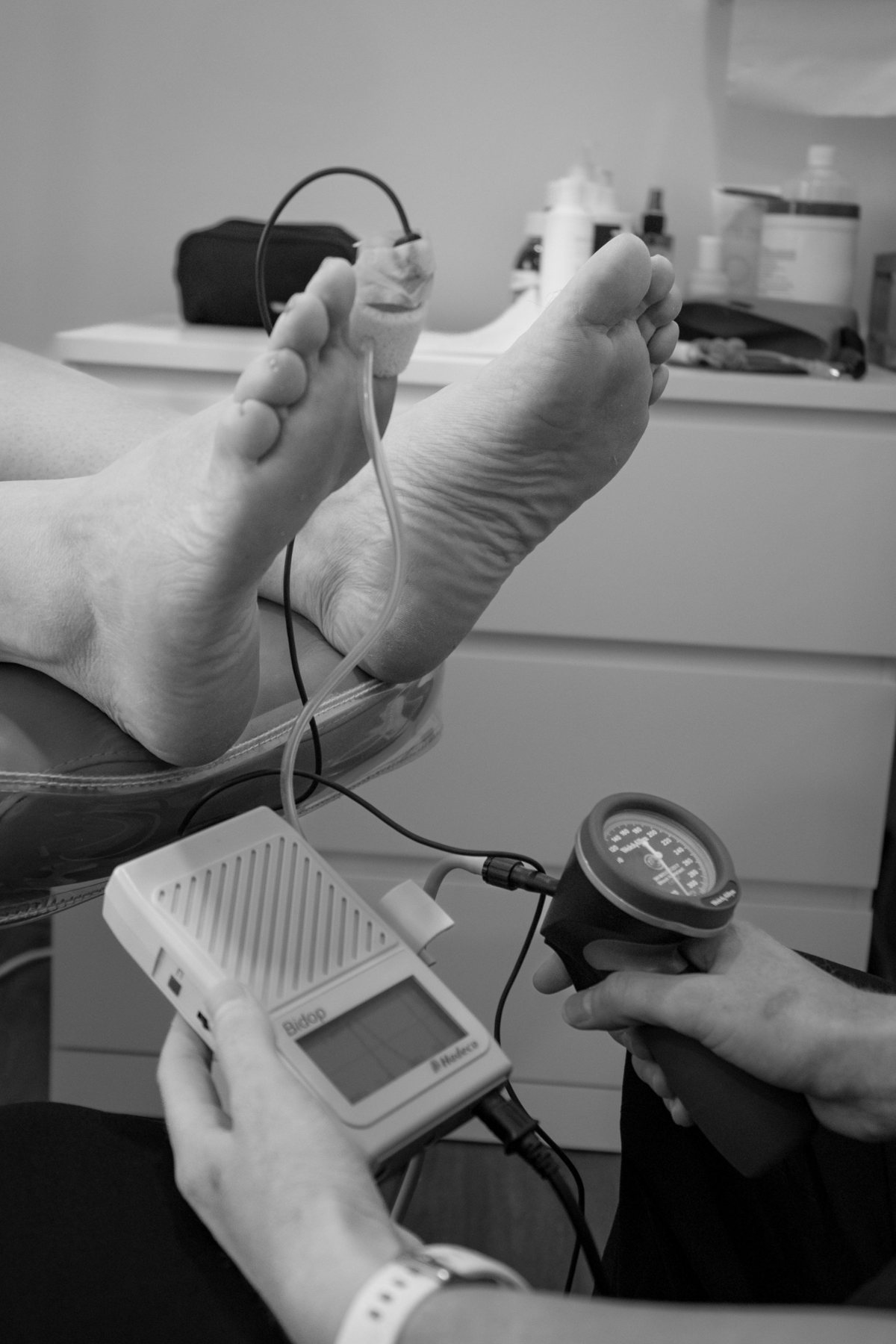
Gentle, careful hands
Our podiatrists are trained to use these instruments safely. Before using a scalpel, we check your blood flow to make sure it’s safe for you. Treatment is gentle, and most people find it comfortable.
Need a procedure?
If you need a procedure, such as ingrown toenail surgery or wart treatment, we’ll book this as a separate appointment. We’ll explain what’s involved and give you an estimate of the cost first.
Clothes you can move in
Shorts, or loose pants that roll up above the knee.
Your shoes, and your story
The shoes you wear most, plus your sports, running or work shoes. Any orthotics, braces or insoles, any scans or reports, and your training details if you run or play sport.
We talk first
This part takes a while. When it started, what helps, what you love doing and your goals.
We watch you move
Joint range, strength and balance, simple movements, and walking or running on our treadmill with pressure mapping.
We explain
What we found, in plain language, with time for questions.
A plan, together
Exercises, load advice, footwear, and other treatment if it’s likely to help. You choose what suits you.
Follow-up
Most pain and movement concerns need a few visits to review and adjust your plan.
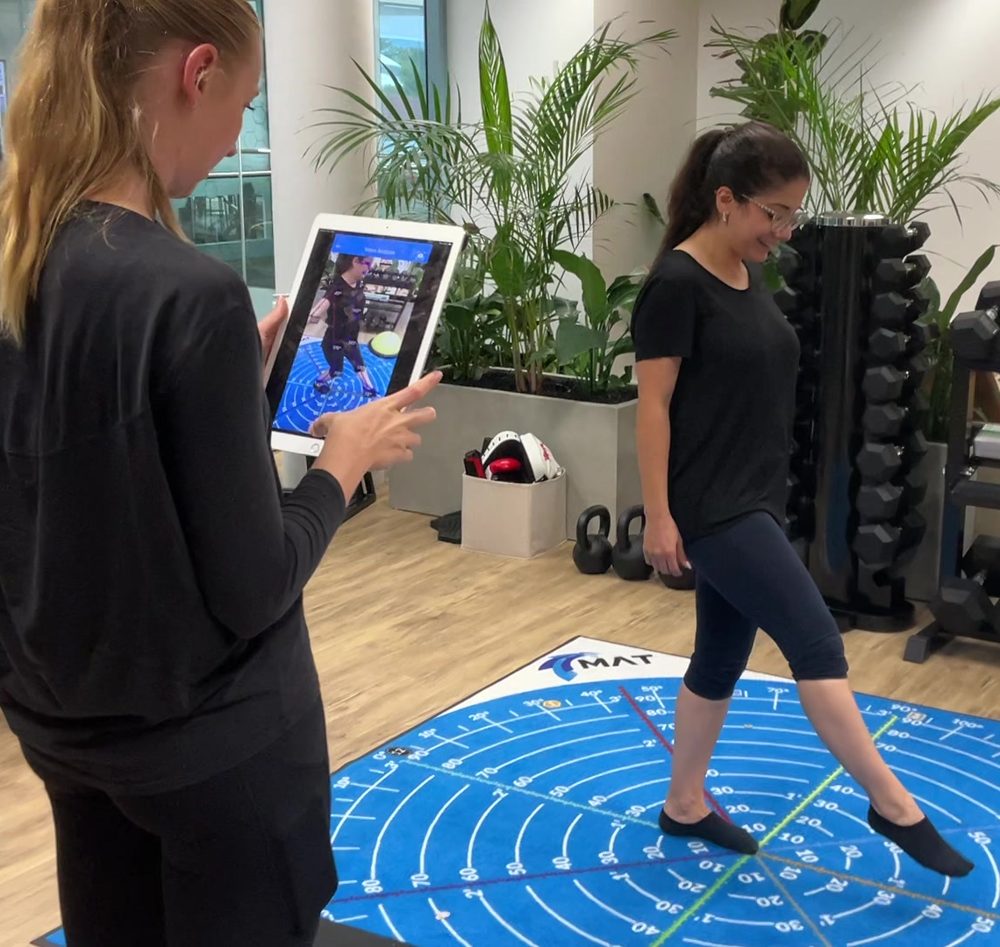
A quiet hum
You walk at your own pace, and we always explain before we start. Pressure mapping shows where load builds up under your feet.
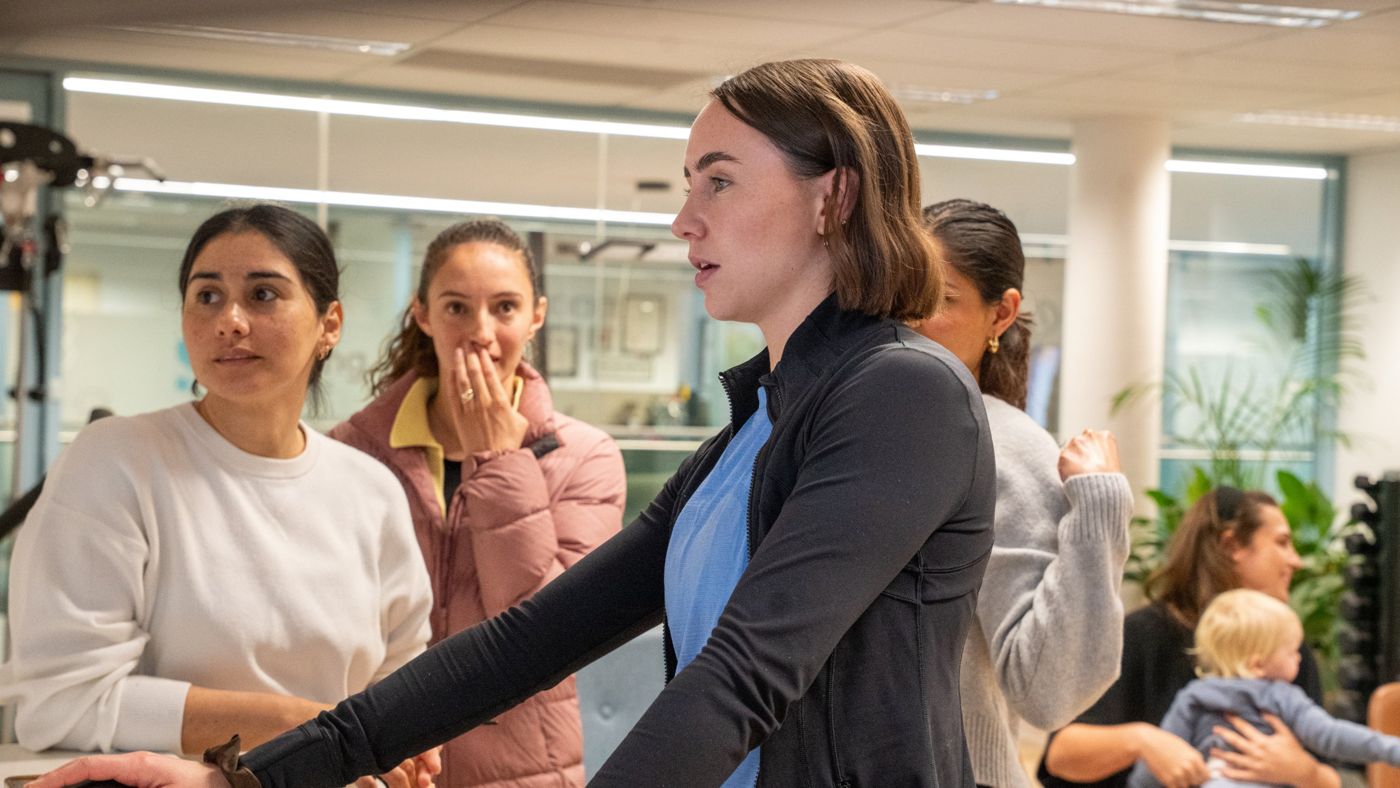
We’ll check in with you
We may press around sore areas to understand what’s going on. Tell us if anything is too uncomfortable.
Little feet, relaxed visits
Parents or carers stay with children for the whole appointment.
Bring their school and sports shoes, and any shoes they love or refuse to wear. We keep things relaxed, use play where we can, and kids can take breaks whenever they need.

You can ask to pause, stop or have something explained at any time.
Your plan, and what’s next
We’ll go over your plan and any home care, and our front of staff team will help you book a follow-up if you need one.
You pay on the day, and we’ll give you an itemised receipt to claim from your health fund. With your consent, we can send a report to your GP.
Booked a diabetes assessment? See Diabetes and your feet for what’s included.